The SaaS Operating System for Signal-Rich Products
Signal-rich products need more than a dashboard and a data lake. They need an operating model for time, quality, permissions, model behavior, and the people who act on the result.

Technical notes from SyncNeurons on reliable AI systems, secure data boundaries, biosignal pipelines, and the product decisions that make complex systems useful.
Prefer listening?Explore the SyncNeurons podcast archive: research conversations paired with the papers behind them.
Signal-rich products need more than a dashboard and a data lake. They need an operating model for time, quality, permissions, model behavior, and the people who act on the result.

Trust is not created by removing complexity. It is created by giving people the right level of context, clear evidence, and a safe way to question what the product is showing them.

Neuroplasticity is more than the brain forming new connections. It is a systems process shaped by attention, repetition, sleep, stress, feedback, and the environment in which learning happens.

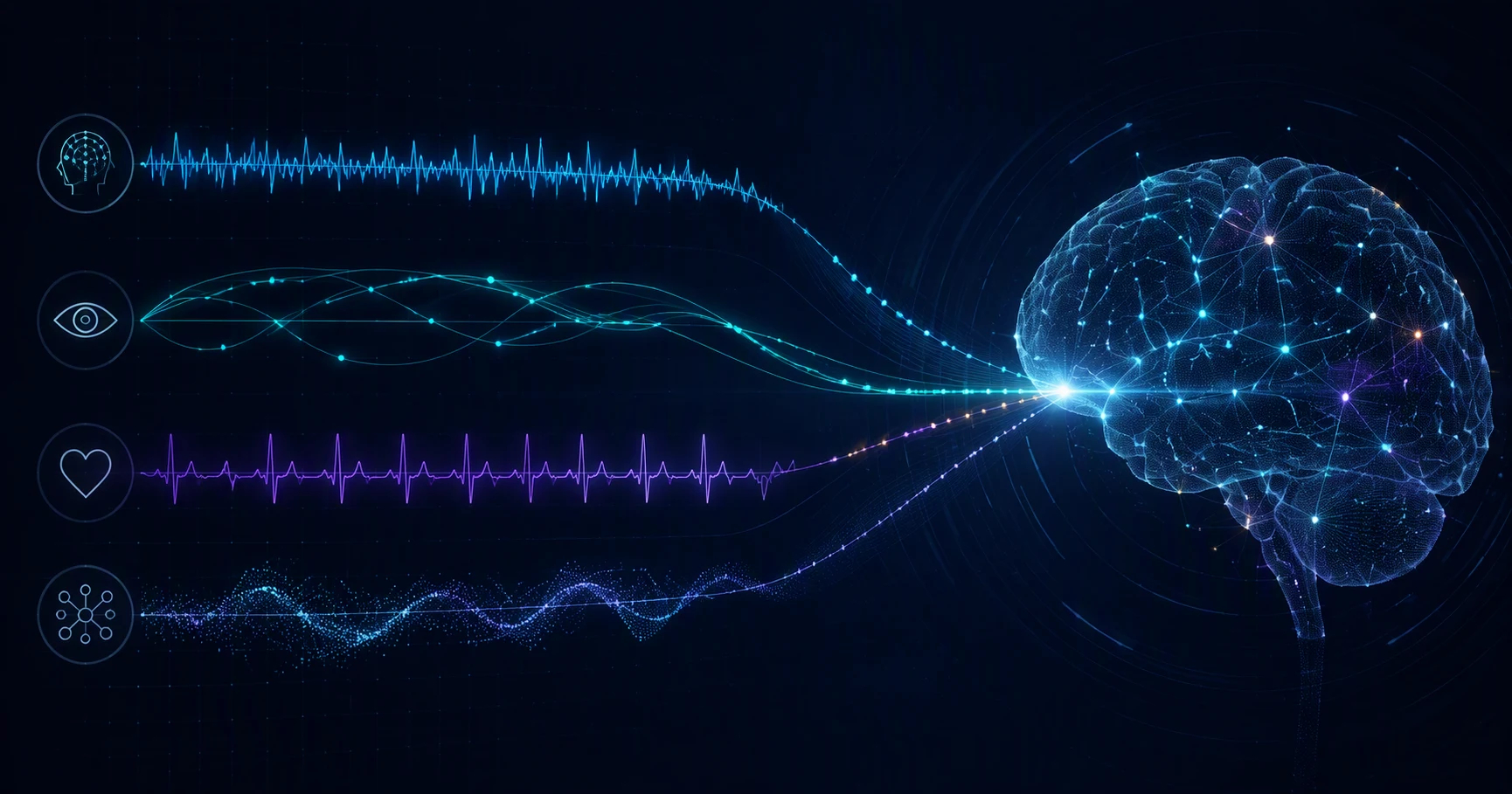
Combining signals does not automatically create better understanding. The value of multimodal neuroscience comes from preserving timing, quality, and the distinct meaning of each stream before drawing a conclusion.

Larger models do not automatically create dependable products. Reliability comes from the system around the model: clear tools, measurable evaluations, observable runs, and bounded autonomy.

Distributed intelligence creates more useful workflows and more trust boundaries. This guide maps the controls that keep tenants, services, identities, and biosignals separated without making the product unusable.

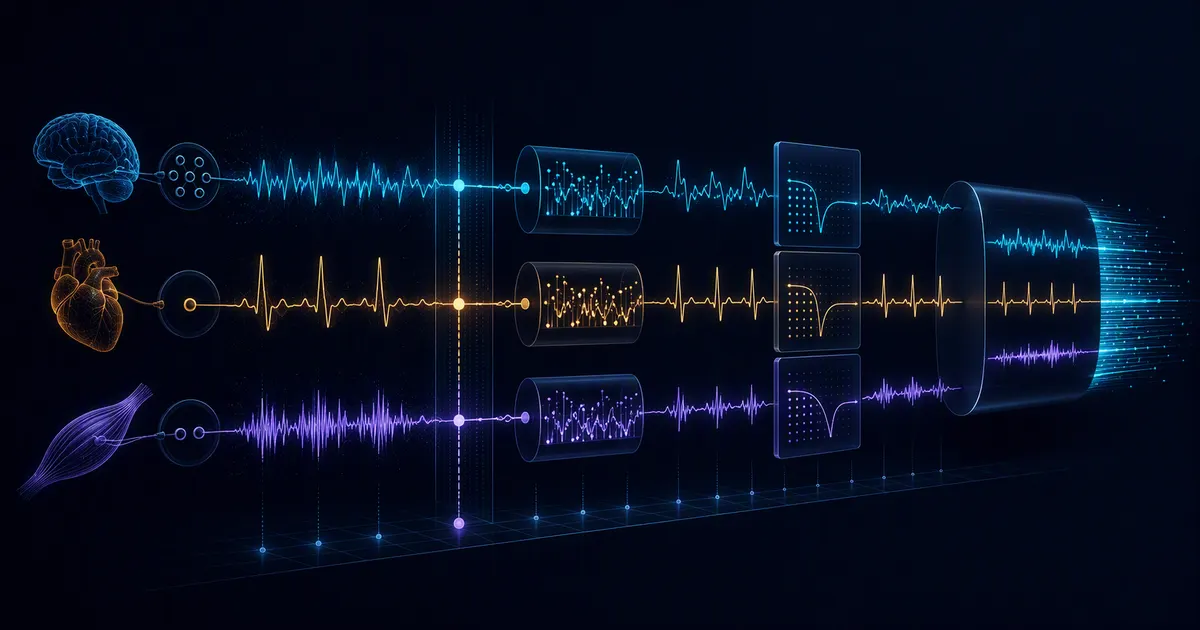
Real-time multimodal analysis fails when streams are individually fast but collectively out of time. This guide explains the pipeline decisions that make synchronized EEG, ECG, and EMG workflows usable.